
As I’ve already talked about, the care I received when I was in hospital, and then when my little bundle of joy was little was above and beyond, but there were definite holes in the mid- to long-term support. One of the areas where I think there was the least support following my AFE was the ongoing physical recovery once I had found some kind of new ‘normal’. Don’t get me wrong, I never been a marathon runner or Olympic cyclist, but I have always enjoyed exercise and it has always made up a big part of who I am. I suddenly then found myself in a situation where the rug had been well and truly pulled out from underneath me and I had absolutely no idea of where to start and where to look for support.
We decided, start small – see what was achievable and keep building on it. The first challenge was to be able to man handle the pram out of the front door… initially we all went on walks together, but I took the lead as much possible so I could prove to myself that I was OK on my own. I don’t think I had really appreciated how much of mental challenge it would be along side the physical bits. I suppose some of this is general new mum bits, but I was terrified I would get so far and then get stuck and not be able to get back. But gradually we got there, until I was quite happy taking both my human and furry child for a walk together. At the time, this seemed to take forever to achieve, but looking back now it was really only a few weeks. It is only now that I think I can really appreciate the scale of achievement this really was. So if you’ve found this page and are just on the start of this journey – I promise it does get easier!
The next challenge was to try and regain some kind of actual cardiovascular fitness. Like I say, I have never been the fittest person in the world but I am a firm believer that the constant, moderate level exercise I have always done ultimately saved my life and meant that my body could just about withstand the challenge that an amniotic fluid embolism presented it with. So it was hugely important to me that I found my way back to some kind of new-norm that reflected this. My first stop was a bit of swimming. I swam a lot when I was pregnant and I have always loved being in the water so as soon as I had the post-surgical go ahead I went for a swim. I can honestly say that the first time I got in the pool I was fairly convinced all my internal organs were just going to fall out! I am pleased to report that this did not happen, and after the initial shock I realised it was actually OK. I made a pact to myself though that 2 lengths was enough as a start – and that is all I did, and it was OK! Bit by bit though I built this up until I felt that I might be able to push myself a bit more. So I decided to try getting back to the actual gym. I won’t lie, my first trip to the gym was however absolutely horrifying – I was terrified I would push my little heart too far and it would just stop again…
I am very fortunate to have a Anaesthetist for an Uncle who stepped in and explained to me how they make sure people are ‘fit enough’ to undergo surgery and how we could use this to very carefully increase my cardiovascular capacity – whilst keeping my anxious scientific brain satisfied. He explained how they use ‘Mets’ or Metabolic Equivalents as an effective marker of fitness. Simply put, ‘Mets’ represent the amount of energy it takes to do any type of physical activity by looking at how much/how fast oxygen is used in performing that activity. So we made a plan to use the same machine in the gym (always the bike for me), for the same length of time (20 mins), whilst keeping your heart rate constant at a MAXIMUM of 60% of your max HR. This bit needed a bit of maths – go with me here, or skip to below to see how it all went…
Your max heart rate can be calculated as: 208 – (your age x 0.7)
For me it was 208-(32×0.7) = 185bpm
So 60% is 185 x 0.60 = 111bm MAX (in reality I just went for 110bpm).
The aim was then to see initially what Mets I could achieve on my specific machine, for that specific length of time. I then gradually increased the resistance/speeds I could achieve whilst keeping my HR the same, and saw how my Mets change the more exercise I did. This is admittedly a very scientific way to go about it – and it definitely wouldn’t be for everyone but for me it gave me peace of mind that I would actually be OK and wouldn’t push it too far.
So, for those of you wired in remotely the same way as me, here’s how it went…
| Week | Workout 1 (Mets) | Workout 2 (Mets) |
| 1 | 2.5 | 2.9 |
| 2 | 3.2 | 3.5 |
| 3 | 4 | 4.8 |
| 4 | 5 | 5.2 |
Anyone who uses Mets to monitor their exercise levels will grasp the scale of these numbers, but a level of 5 is considered ‘fair’ in terms of exercise capacity. At that point I stopped monitoring it quite so closely, but I continued to keep my HR relatively low for quite a while after that. I went to to cycling further and faster, and outside on my own bike. Swimming a bit further and faster and not being scared to push it a little bit each time. Going on the odd run (although this is never something I am going to overly enjoy…).
There has been a lot more work put in to regaining other physical strength capabilities, but that’s one for another day, but this initial basis of regaining some cardiovascular fitness has set me in such great stead. It has meant that I have got back to doing the things that get me out of the house and clear my head, which has helped me regain my ability to keep myself mentally on track, which again, is a topic for another day, but has been vital in me finding normality and peace with everything that happened.
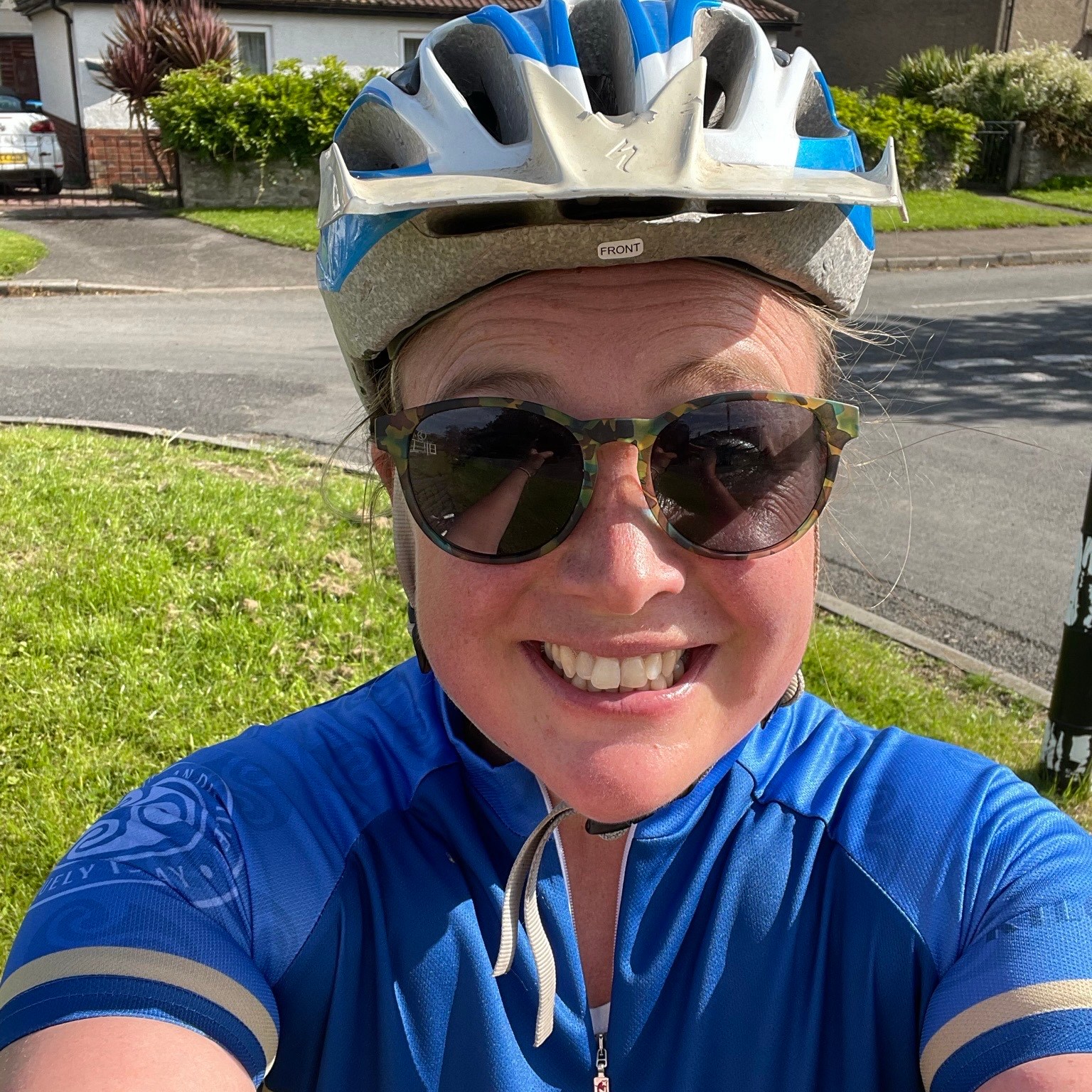
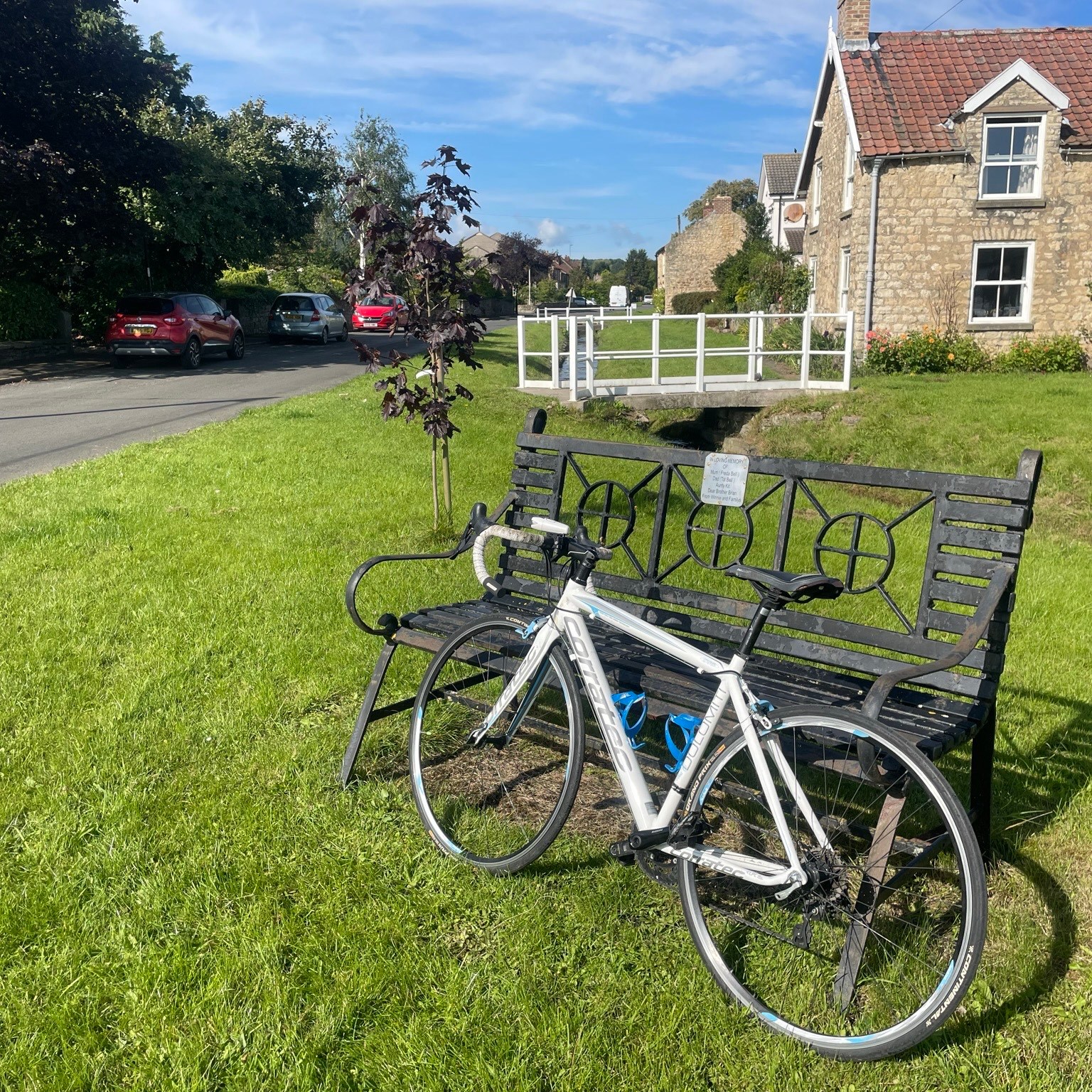
So the answer to my initial question of how the hell to go about this, was slow and steady and a little bit at a time – be gentle with yourself, it takes time to heal.
 One in a Million Mummy
Leave a comment